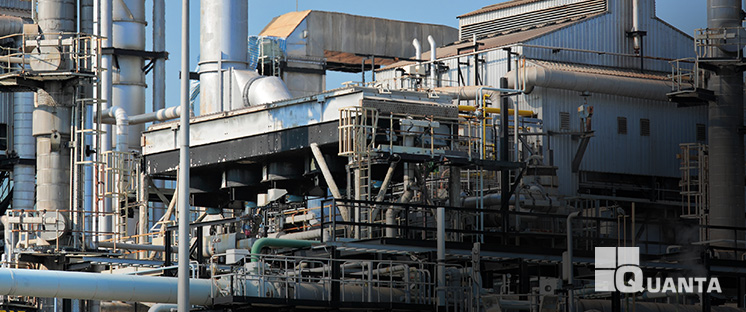
How Chemical and Petrochemical Plants Use Vapor Recovery Systems in India
In India’s rapidly expanding chemical and petrochemical sector, controlling emissions has become both an environmental necessity and a regulatory mandate. Volatile organic compounds (VOCs) released during storage, loading, and processing not only harm the environment but also result in product loss and safety risks. This is where a Vapor Recovery System (VRS) plays a crucial role. Modern plants increasingly rely on vapor recovery systems to improve efficiency, ensure compliance, and support sustainable operations
What Is a Vapor Recovery System?
A vapor recovery system is an engineered solution designed to capture hydrocarbon vapors that would otherwise escape into the atmosphere. These vapors are recovered, processed, and either reused or safely destroyed. In chemical and petrochemical plants, vapor recovery systems help minimize emissions during operations such as tank breathing, truck loading, and process venting.
Why Vapor Recovery Matters in Chemical & Petrochemical Plants
Chemical and petrochemical plants handle flammable and volatile substances daily. Uncontrolled vapor emissions can lead to:
By implementing vapor recovery systems, plants can significantly reduce VOC emissions, improve workplace safety, and enhance overall process efficiency.
Regulatory & Environmental Compliance in India
Indian regulatory bodies such as the CPCB and State Pollution Control Boards enforce strict emission norms. Vapor recovery systems help plants comply with environmental regulations, air quality standards, and ESG goals. With India’s growing focus on sustainability, vapor recovery has become an essential component of responsible industrial operations.
How Vapor Recovery Systems Work in Industrial Plants
Vapor recovery systems typically operate by:
Depending on plant requirements, the recovered vapors may be reused as fuel, sent back into the process stream, or treated further.
Types of Vapor Recovery Systems Used in India
Common vapor recovery technologies include:
The choice depends on vapor composition, flow rate, and recovery efficiency requirements.
Key Applications of Vapor Recovery Systems
Vapor recovery systems are widely used in:
Why Choose Quanta for Vapor Recovery Systems in India
Quanta Process and Project Services Pvt. Ltd. offers customized vapor recovery solutions tailored to Indian operating conditions. With strong expertise in process engineering, compliance-driven design, and project execution, Quanta ensures reliable, cost-effective, and environmentally responsible vapor recovery systems for chemical and petrochemical plants.
Conclusion
As environmental regulations tighten and sustainability becomes a priority, vapor recovery systems are no longer optional. For chemical and petrochemical plants in India, investing in an efficient vapor recovery system improves safety, compliance, and profitability—making it a smart long-term decision.
FAQ