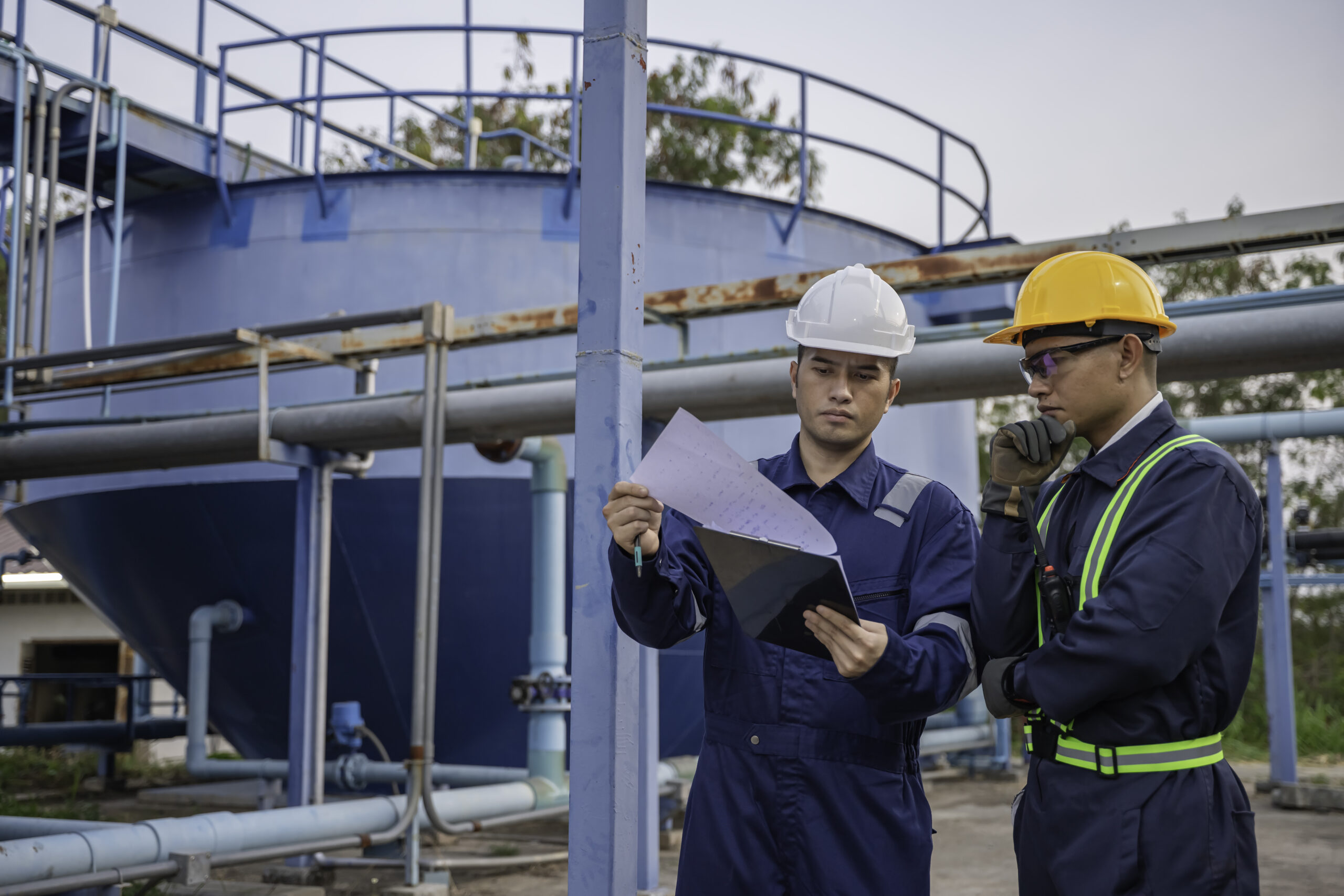
Building or expanding a chemical processing facility is an incredibly complex undertaking. It requires balancing volatile chemical behaviors, massive equipment layouts, strict environmental rules, and tight financial budgets. A single oversight in the piping layout or a miscalculated heat load can derail an entire operation. This is why specialized chemical plant consultants are vital; they provide the deep technical expertise needed to turn complex laboratory formulations into practical, safe, and highly profitable industrial realities.
Who Are Chemical Plant Consultants?
Chemical plant consultants are specialized engineering experts who bridge the gap between abstract chemical theories and physical industrial architecture. They are seasoned process engineers, safety specialists, and operational strategists who design, evaluate, and optimize industrial chemical facilities from the initial concept phase all the way through commissioning.
Why Chemical Plant Consultants Are Important for Modern Industries
Modern chemical processing demands higher yields with lower environmental impact. Regulatory bodies continuously update compliance baselines regarding emissions, wastewater, and workplace safety. Consultants bring an outside perspective and specialized up-to-date knowledge, ensuring that plant designs meet current mandates while remaining flexible enough to adapt to future market and regulatory changes.
Key Responsibilities of Chemical Plant Consultants
- Process Design and Simulation: Creating precise mass and energy balances alongside detailed piping and instrumentation diagrams (P&IDs).
- Equipment Selection & Scaling: Choosing the exact materials and sizes for reactors, distillation columns, and heat exchangers to avoid processing bottlenecks.
- Regulatory Liaison: Helping operators navigate the complex paperwork and design requirements needed for environmental and municipal approvals.
How Chemical Plant Consultants Improve Plant Safety
Process safety engineering is the core foundation of a sustainable chemical plant. Consultants run comprehensive risk assessments, such as Hazard and Operability (HAZOP) studies, to identify potential failure points before construction begins. They design layers of protection, such as automated safety interlocks, emergency relief systems, and gas detection networks, to isolate and control chemical hazards before they escalate.
How Consultants Help Increase Efficiency and Productivity
An inefficient plant wastes raw ingredients and consumes excessive energy. Consultants analyze the entire manufacturing cycle to find hidden savings. By optimizing heat integration networks, improving catalyst utilization, and reducing chemical waste, they help plants achieve much higher yields while significantly lowering utility costs.
Industries That Rely on Chemical Plant Consultants
While core chemical producers are the primary users, expert consulting extends across many sectors. Specialty chemical plants, pharmaceutical manufacturers, petrochemical refiners, agrochemical developers, and advanced water treatment facilities all rely heavily on process consulting to maintain competitive, safe operations.
Common Challenges Without Expert Consulting Support
Operating without specialized consulting support often leads to expensive trial-and-error engineering. Plants frequently suffer from scaled-up designs that fail to work properly in the field, mismatched equipment, major project delays, and unexpected regulatory fines. Worse, a lack of deep process safety analysis significantly increases the risk of toxic leaks, fires, or explosions.
How to Choose the Right Chemical Plant Consultants
When evaluating consulting partners, look beyond basic credentials. Choose an engineering firm that has specific experience handling your particular chemistry profile. They should possess robust digital design capabilities, a strong track record of safety compliance, and a clear, structured methodology for managing project deadlines and budgets.
Future Trends in Chemical Plant Consulting
The chemical consulting landscape is shifting toward complete digitalization and sustainable production. Consultants are increasingly designing smart facilities powered by industrial IoT (connected sensors) for real-time monitoring. Furthermore, there is a massive push toward green chemistry, requiring consultants to design systems that reduce carbon intensity and integrate bio-based raw materials.
Conclusion
Expert chemical plant consultants are far more than external advisors; they are an essential partner in building operational resilience. By integrating process safety, mechanical precision, and economic viability from day one, they help companies build facilities that are inherently safe, highly efficient, and built to last.
FAQ